
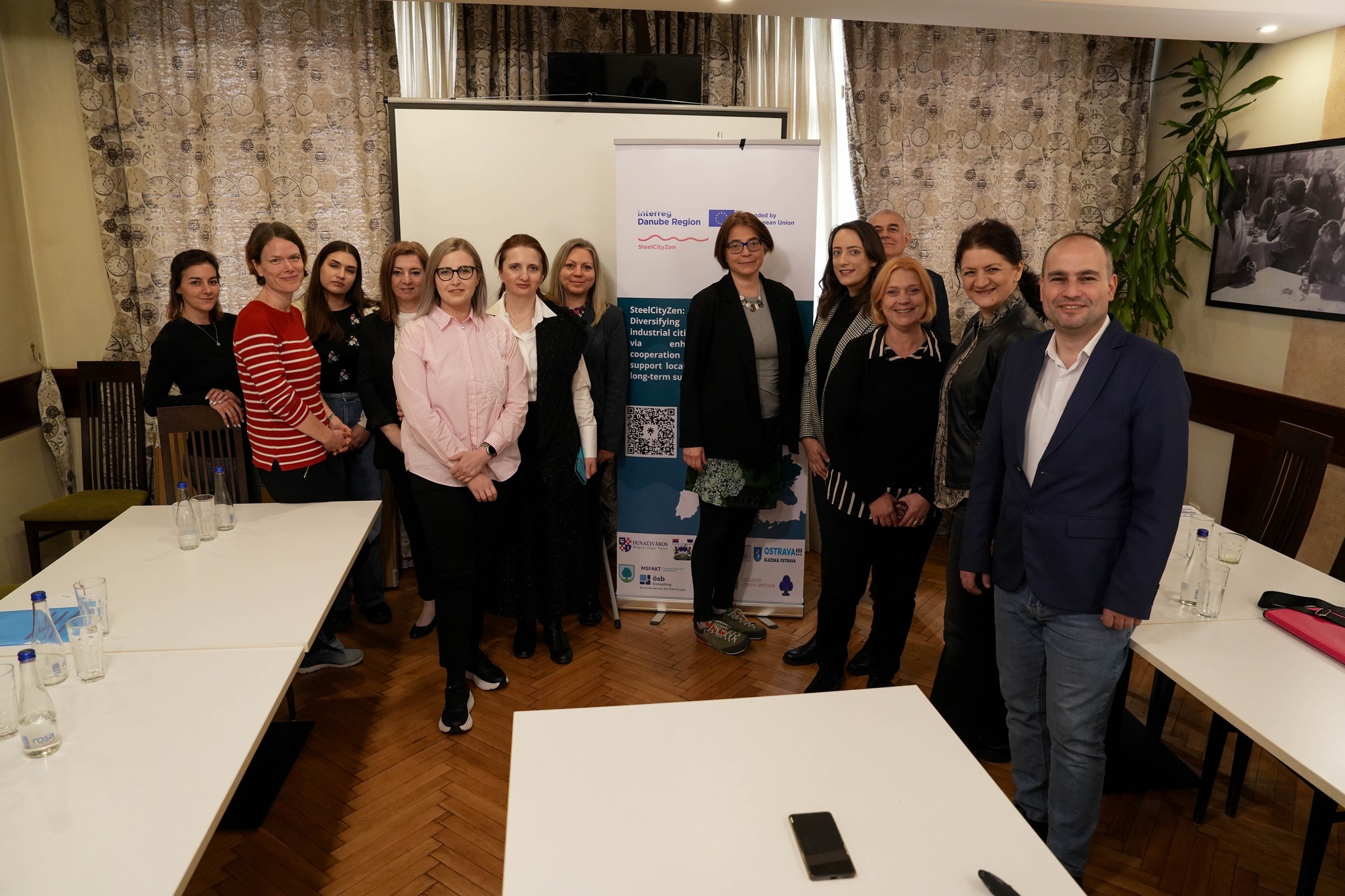
THE SECOND TRANSNATIONAL WORKSHOP WAS HELD IN MONTENEGRO WITHIN THE “STEELCITYZEN” PROJECT
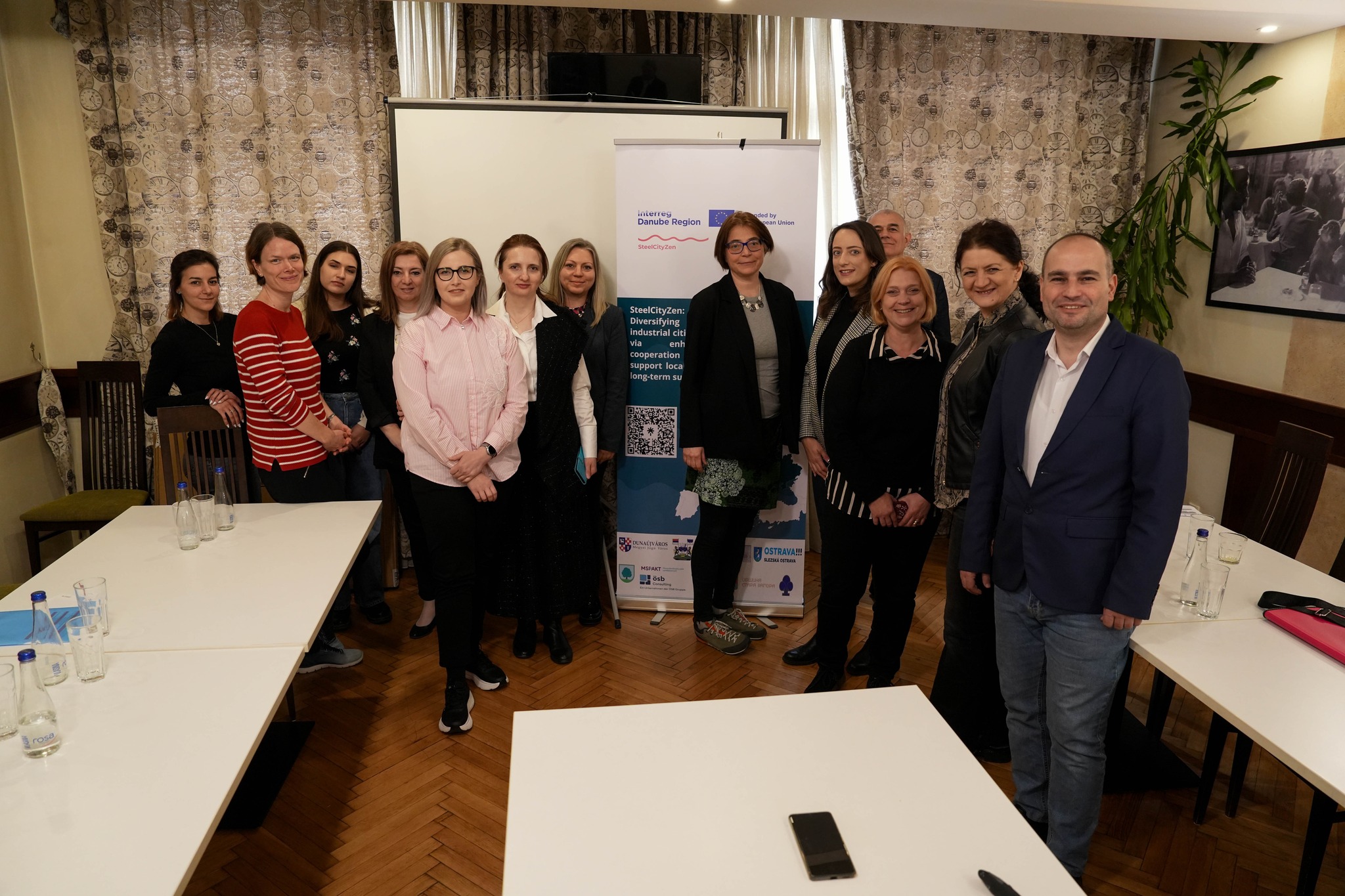
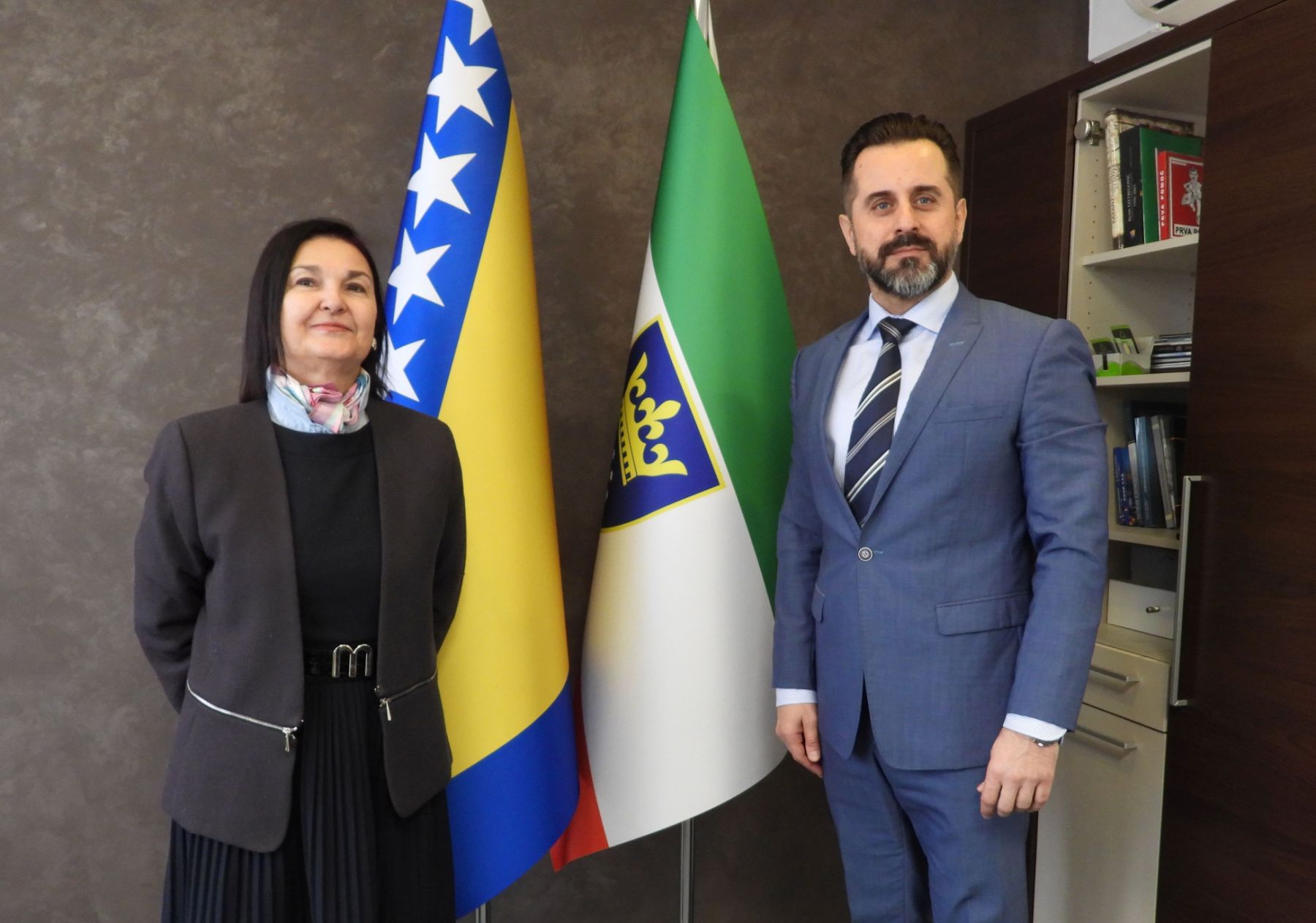
Representatives of the Chamber of Commerce ZDC participated in the second transnational workshop within the SteelCityZen project, which was held on 25 and 26 March 2026 in Nikšić, Montenegro. The event was also attended by representatives of the Municipality of Kakanj, another project partner from Bosnia and Herzegovina, as well as the Federal Employment Agency, which has the status of an associated partner in the project.
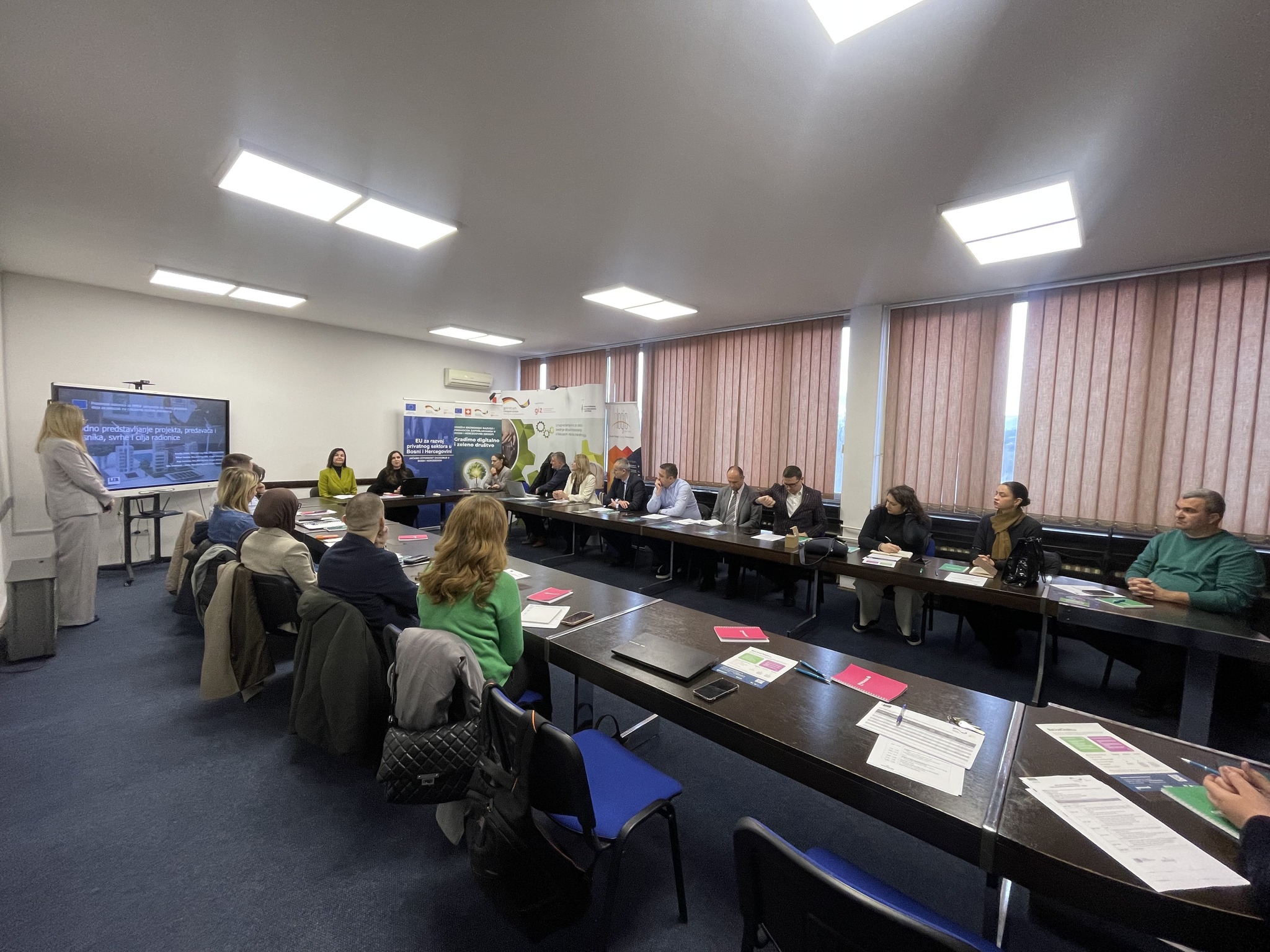
The two-day event brought together project partners and relevant stakeholders with the aim of exchanging experiences, improving cooperation and further developing pilot activities within the project.
The first day of the workshop was dedicated to thematic discussions and knowledge exchange among partners. During the introductory part, the objectives and current status of the project were presented, as well as the results of a joint stakeholder analysis. Special focus was placed on the challenges in establishing effective cooperation with key stakeholders, where participants discussed examples of good practice, as well as obstacles they encounter in their local communities, through interactive workshops. The discussions resulted in concrete recommendations for improving the stakeholder engagement process.
The program continued with the results of the analysis of the current situation and case studies from partner cities, as well as the possibilities of synergy with other EU projects. Partners also had the opportunity to learn about examples of good practices in the field of employer coordination, as well as innovative approaches in the development of local initiatives.
On the second day, the operational aspect of implementation was discussed, as well as plans for the coming period. Also, special attention was paid to communication activities and strengthening the visibility of the project through joint campaigns and cooperation with other initiatives.
"SteelCityZen" is a transnational cooperation project funded by the Danube Region Programme, which brings together 11 partners from 9 countries, to tackle a common challenge across the Danube Region: the vulnerability of (mono)industrial cities facing economic transformation. These cities, which often rely on a single resource-intensive industry, are particularly exposed to employment risks linked to structural changes, such as the green and digital transitions. The project aims to empower these local governments to diversify their local labour markets and support inclusive, sustainable development. This will be achieved through strengthened stakeholder cooperation, improved coordination between local governments and employment actors, and the development of innovative tools for local skills assessment and matching.